


A value-driven approach to purchasing inks, coatings, and digital solutions in a competitive market

In print production, ink is often treated as a line item rather than a system. Price per pound is easy to compare and easy to document, which makes it a convenient metric for purchasing decisions. But convenience does not equal accuracy.For printers, converters, and brand owners operating in complex production environments, price alone rarely reflects the true cost or the true benefit



 Brands and converters increasingly choose mono-material flexible packaging made from a single type of polymer to simplify recycling and support sustainability goals. While
 Color has long been a pillar of branding—but what if it wasn’t just about what you see, but also what you feel? Texture is transforming packaging across industries, turning
 A brand’s color isn’t just a detail—it’s trust, recognition, and reputation in an instant. When a brand is seen, it’s judged—immediately. Color is the first thing customers
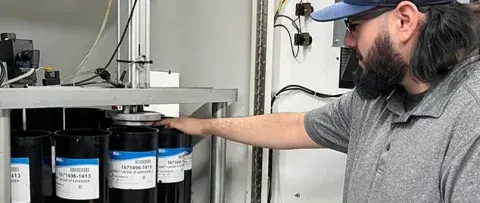 With an ink dispenser program, printing companies can break free from outdated methods, work smarter, and reduce applied costs. Color management becomes more intuitive and
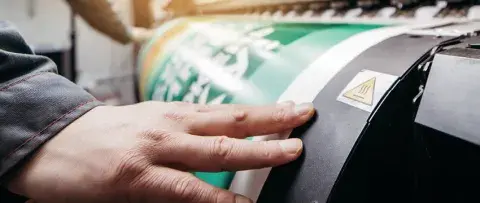 Printing problems on press steal your time and stall your growth. They often arise from imbalance—fading colors, ink scumming, misting, or improper ink to water ratios—all of
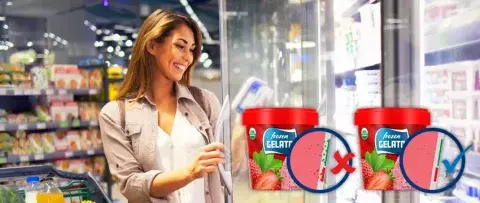 Low migration inks play a critical role in ensuring consumer safety and regulatory compliance in the food and beverage packaging industry. They not only protect health but
 Antimicrobial coatings have become essential in package printing, offering a durable layer of protection against odor, stain and material degrading microbes while
 G7® and G7+™* are terms that frequently come up in discussions about color management and print quality. While they share a common goal of improving color consistency and
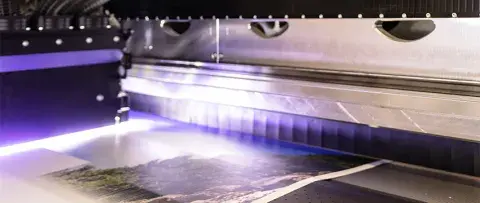 UV LED curing has emerged as an alternative to mercury-vapor lamps that results in lower cost of ownership through increased productivity, expanded substrates use, and