



Re-Engineering Spot Color Management for Global Brand Consistency
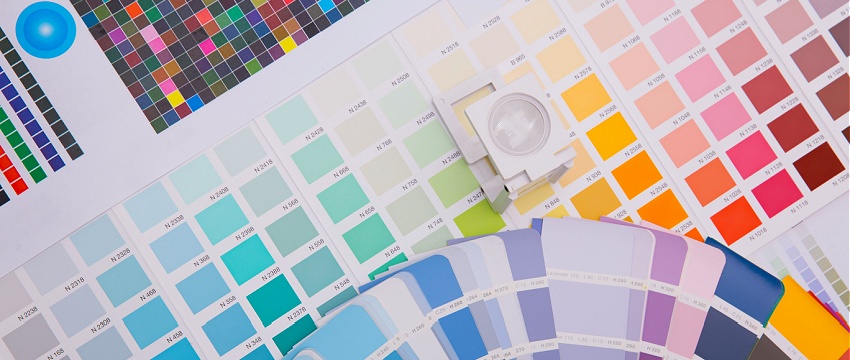
Consistent brand color is no longer a differentiator in packaging—it is a baseline expectation. CMYK workflows have largely achieved this baseline through decades of standardization, device characterization, and closed-loop control. Spot and brand colors, however, remain a persistent source of variability, even inside otherwise disciplined color-managed environments.The issue is not



 In print production, ink is often treated as a line item rather than a system. Price per pound is easy to compare and easy to document, which makes it a convenient metric for
 Beverage cans compete in a crowded aisle, where graphics and impact decide the sale. High-impact graphics demand attention, sustainability claims raise expectations, and
 When it comes to food packaging safety in the EU, compliance is not optional– it’s essential. Food contact materials (FCMs), including printing inks, must meet strict
 The packaging industry is entering a new era, one where performance can’t come at the cost of sustainability. We’re seeing stricter regulations, heightened consumer awareness
 Brands and converters increasingly choose mono-material flexible packaging made from a single type of polymer to simplify recycling and support sustainability goals. While
 Color has long been a pillar of branding—but what if it wasn’t just about what you see, but also what you feel? Texture is transforming packaging across industries, turning
 A brand’s color isn’t just a detail—it’s trust, recognition, and reputation in an instant. When a brand is seen, it’s judged—immediately. Color is the first thing customers
 With an ink dispenser program, printing companies can break free from outdated methods, work smarter, and reduce applied costs. Color management becomes more intuitive and
 Printing problems on press steal your time and stall your growth. They often arise from imbalance—fading colors, ink scumming, misting, or improper ink to water ratios—all of