




Driving Circular Packaging in 2025: Sustainable Inks and Coatings
How ink innovations are driving recyclability, compliance, and carbon reduction goals.
The packaging industry is entering a new era, one where performance can’t come at the cost of sustainability. We’re seeing stricter regulations, heightened consumer awareness, and growing demands for transparency have transformed packaging from a functional necessity into a critical factor in brand reputation and environmental stewardship.
For companies committed to leading the charge on circular packaging, every detail matters. That includes inks and coatings. Once considered secondary, these components are now recognized as powerful levers to unlock recyclability, reduce waste, and meet tough new standards.
At INX, innovation isn’t just about better ink quality; it’s about delivering solutions that support circular design and minimize environmental impact. Our latest breakthroughs in washable inks, nitrocellulose-free formulations, energy-curable coatings, and tactile finishes are engineered to meet the realities of 2025 packaging.
Why Inks and Coatings Matter More Than Ever
Inks and coatings often play a bigger role in sustainability than most realize. They’re frequently overlooked in broader packaging conversations but are essential to recyclability, safety, and waste reduction. For brand owners, the smallest component of packaging, ink, can be a hidden driver of circularity and consumer trust.
Though inks may only account for 1-2% of packaging weight, their impact on circularity is outsized. The right inks and coatings improve recyclability, reduce carbon footprint, and simplify material recovery, while the wrong ones create contamination, drive complexity, and undermine sustainability goals.
Coatings influence whether packaging can ditch extra laminate layers or if those layers remain necessary for protection. Nitrocellulose, a common ingredient in many inks, faces recycling and regulatory challenges, making formulations with lower solvent content and alternative chemistries critical to improving recyclability and compliance.
Brands are adopting a full-system approach, evaluating substrates, inks, and coatings together—resulting in packaging that performs on shelf, supports recycling infrastructure, and meets stringent environmental policies.
Because ink’s role can easily go unnoticed, it’s important for brand owners to engage suppliers in conversations about how their inks contribute to or detract from sustainability claims.
Key Innovations from INX for 2025
Our sustainable ink and coating portfolio delivers measurable impact for printers, converters, and brands focused on circular packaging:
- Innova Plus NCF: A nitrocellulose-free flexographic ink system optimized for adhesive lamination. It delivers high-bond strength and clean, vivid print quality—without the recycling or regulatory concerns of NC. Designed for mono-material packaging, it supports circular economy goals and meets EPR and EU PPWR requirements
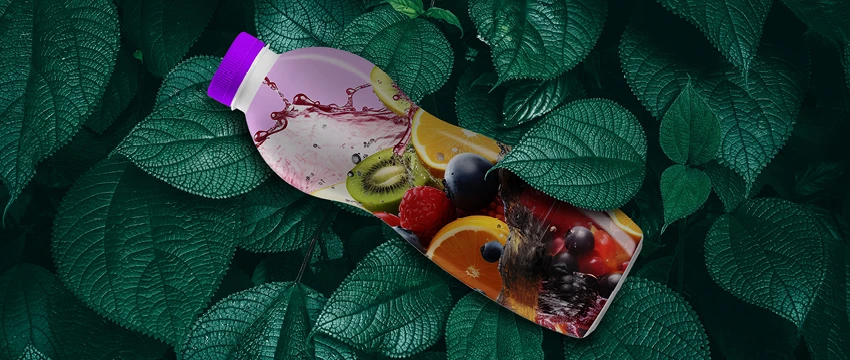
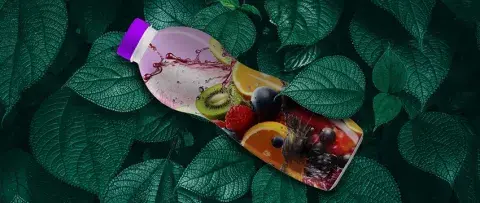
- Genesis™ GS: Washable ink technology for shrink-sleeve and roll-fed labels that deinks cleanly from cPET and remains anchored to OPP, preserving PET clarity and recyclability. Compatible with flexo and gravure, Genesis enables bottle-to-bottle reuse, supports circular label solutions, and complies with APR and RecyClass standards.
LINK
Genesis makes recycling plastic films used in packaging more efficient.
See if Genesis is right for you
- GelFlex™ EB: An electron-beam curable flexographic ink that eliminates lamination, cutting material use, waste, and VOCs. The gel-based system supports high-speed wet trapping and delivers gravure-level graphics, enabling lightweight, mono-material packaging and improved recyclability.
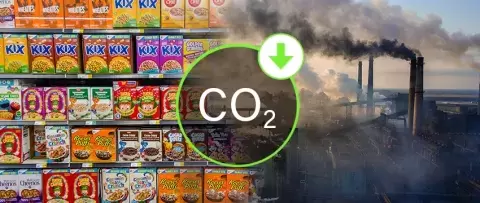
- INXhrc™: Natural-based inks formulated with 50–90% renewable ingredients to reduce CO₂ emissions by 25–30% compared with conventional inks. Engineered for multiple printing systems—UV, water, solvent, and oil—they perform across paper, film, and rigid substrates while meeting global food-packaging safety and sustainability standards.
LINK
INXhc helps printers and brand owners reduce their carbon footprint
Achieve your sustainability goals
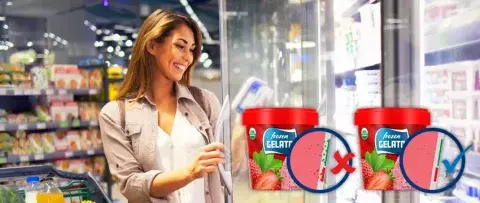
- INXhrc™ RC: Natural-based UV inks engineered for rigid plastic and foam-based containers, such as dairy cups and decorative packaging. Containing up to 30% biorenewable content, they deliver brilliant color, strong adhesion, and food-safe performance. The RC LM low-migration series meets Nestlé, EuPIA, and Swiss Ordinance standards for indirect food contact
- Ecostage™ GB-XA: An oxygen-barrier coating that replaces multilayer films with recyclable mono-material structures. It offers exceptional transparency and flexibility, extends shelf life, and eliminates PVdC—reducing food waste and supporting lighter, more sustainable packaging.
- EcoCan™: Beverage can ink developed according to the C2C® material health principle based on materials that are inert to the environment and safe for human health and enable use in a closed biological loop system.
From Ink Innovation to Impact
Sustainable inks are delivering measurable results across the packaging lifecycle. Natural-based and low-VOC formulations replace petrochemical ingredients, cutting emissions and supporting healthier production environments.
Nitrocellulose-free ink improves mono-material packaging and helps meet evolving global compliance standards and . Washable inks enable higher-quality PET recovery, making bottle-to-bottle reuse more viable and scalable.
Carbon labeling, backed by life cycle assessment (LCA) data, gives brands a way to communicate carbon reduction goals with clarity across consumer, partner, and regulatory channels. The Carbon Trust offers certification protocols like the “Carbon Neutral Packaging” label, which signals year-over-year footprint reduction. These tools help brands make environmental progress visible right at the point of purchase.
When paired with functional coatings, these technologies help reduce contamination, streamline recycling, and minimize material waste, while maintaining standout print quality.
Ink waste reduction is another key opportunity. Digital tools like INXManager® and automated dispensing systems reduce overruns and enable reuse of excess inventory. Direct-to-object printing eliminates the need for labels, cutting material use even further.

Many packaging converters use more than one (or two, or three) ink systems. Offering a single ink system that works across multiple applications not only improves the bottom line, it also strengthens environmental positioning. This is the power of smart ink– designed to reduce waste, simplify workflows, and unlock efficiency across platforms.
These ink innovations are part of a broader framework. The Coloring a Safe and Sustainable Future (CSSF) model aligns with the UN Sustainable Development Goals, focusing on Product Design, Process Design, and Social Responsibility. It’s a systems-based approach that keeps sustainability embedded—not bolted on.
Brands still discarding “obsolete” ink may be missing the efficiencies and environmental gains already within reach.
Navigating Regulations and Consumer Expectations
Compliance with evolving regulations is essential. Extended Producer Responsibility (EPR) laws have expanded significantly since 2022, with states and countries imposing eco-modulated fees that reward recyclable packaging.
Europe’s Packaging and Packaging Waste Regulation (PPWR) increasingly bans non-recyclable materials and ink additives that hinder circularity. NGOs, Sustainable Development Goals (SDGs), and consumer watchdogs continue to push transparency and stronger controls.
INX inks are manufactured under GMP and comply with strict global safety standards such as EuPIA and SVHC. Because migration risks are invisible and must be validated by testing, suppliers unable to provide test data on food safety should raise concerns.
Our raw materials are carefully selected based on EuPIA guidelines. INX food packaging inks are formulated without SVHC, CMR, heavy metals, or toxic substances. This commitment to safer chemistry ensures packaging inks protect both consumer health and brand trust.
As regulations tighten and packaging claims face greater scrutiny, inks are no longer invisible players. Certifications like NAPIM’s BioRenewable Content label, UL ECOLOGO®, SGP, and GOTS are raising the bar giving brands and printers third-party proof their inks meet real environmental standards.
Ink decisions go beyond aesthetics. They directly influence compliance and brand reputation in today’s regulatory environment.
Designing Circular Packaging Starts at the Ink Level
Great packaging design means little if ink contaminates recycling or adds unnecessary complexity. Sustainability starts with chemistry. INX’s portfolio equips brands and converters with practical, proven tools to lead the transition to circularity.
Ready to advance your sustainable packaging strategy? Contact us to learn how our smart, safe ink and coating technologies can help you meet the toughest environmental challenges without compromising performance.
About INX International: INX International is part of Sakata INX’s worldwide operations with full-service subsidiaries in the Americas, Europe and Australasia. We provide pioneering ink and coating technology with a deep commitment to sustainability – ensuring that we not only deliver superior products, service, and support, but also environmentally conscious printing solutions for commercial, packaging, and digital print applications.
INX International – Where color meets consciousness.
Learn more at www.inxinternational.com.
Share



![Shrink Labels and Recycling [Shrink labellled bottles]](/sites/default/files/styles/large/public/2024-04/INX_shrink_blog850x360.jpg?itok=Qsx6qEqs)